 School Matters
Singapore School Holiday Activities 2026
Plan the November and December 2026 school holidays in Singapore with art museums, free outings, sports and home activities for primary and secondary kids.
Once the exams are over, the calendar opens up. Children finally have time for the book they have been meaning to read, the friend they want to meet and the hobby that never quite fits into a school week.
For parents, there is another task: finding things the children will enjoy that fit around work, family commitments and the household budget.
The published 2026 year-end school vacation runs from 21 November to 31 December. Check your child's school notices for examinations, CCA sessions and other commitments before booking activities. View the school holiday dates.
A useful starting point is to let each child choose somewhere to go and something to try. Younger primary children may need help narrowing down the choices. Secondary students can take on more of the planning. Leave some days open, too.
Begin with a few quiet days
Give everyone a little time to settle into the break. An afternoon of Lego, drawing, baking or visiting cousins can be a perfectly satisfying holiday activity.
For primary children, make a short wish list together. Include things they can do at home as well as outings. For teenagers, agree early on the time available for friends, gaming, family activities and any school work. Having that conversation at the start gives everyone a clearer idea of what to expect.
Spend an afternoon at an art museum
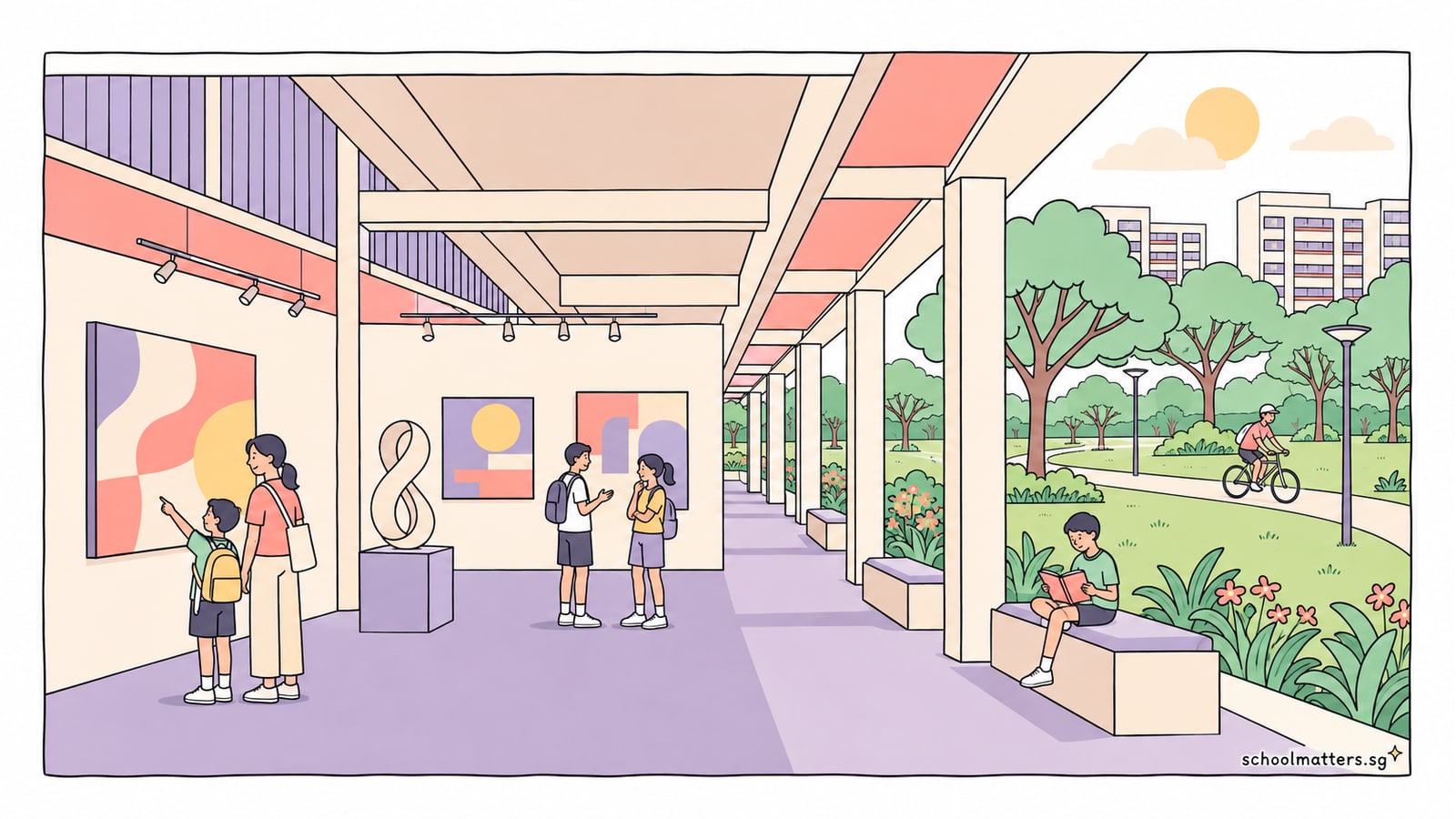
An art museum offers plenty to notice and talk about, even when nobody in the family knows much about art. Start with a manageable visit of around 60 to 90 minutes and follow your child's interest.
National Gallery Singapore is a useful first choice for families with primary children. Its Keppel Centre for Art Education is designed for ages four to 12, with play and creative activities inspired by art. Admission to the centre is free. Older primary and secondary students can choose a gallery exhibition and spend time with a few works that catch their attention. Explore the Keppel Centre.
General admission to National Gallery Singapore is free for Singapore citizens and permanent residents. Students currently based in Singapore also qualify for free admission under the Gallery's student policy, with verification required. Check Gallery admission and visitor information.
Singapore Art Museum at Tanjong Pagar Distripark is another option, particularly for older children curious about contemporary art. Its Learning Gallery is free for everyone and explores subjects including identity, home and the environment. Let your child choose an artwork and explain what they notice before reading the description together. Visit SAM's Learning Gallery.
ArtScience Museum offers a different experience through teamLab Future World, a paid exhibition of interactive digital art. It could suit children who enjoy light, movement and technology. Timed entry is required, so book a slot before heading over. See Future World and ticket information.
For younger children, try a simple prompt: find an artwork that reminds you of somewhere you have been. Teenagers might enjoy choosing a favourite and a puzzling work, then explaining both over a snack afterwards.
Make outdoor time a regular outing
A park visit is an easy option to repeat throughout the holidays. Primary children could explore Forest Ramble at Jurong Lake Gardens or COMO Adventure Grove at the Singapore Botanic Gardens, both listed among NParks' nature playgardens. Check the individual location's age guidance and opening information. Find a nature playgarden.
Secondary students could plan a walk with friends, take photographs along a park connector or organise a game. Let them decide on a route or meeting point appropriate to their independence.
Keep the first outing short enough to enjoy, and have an indoor alternative ready if the weather changes.
Choose a short sports programme or workshop
A holiday course can give children a chance to try an interest they have mentioned during the year. Consider the journey, session length and total cost as well as the activity itself.
ActiveSG's Multi-Sport School Holiday Programme lists sessions between 30 November and 20 December 2026, with age groups covering children aged five to 12. Listed fees for Singapore citizens and PRs are S$36 for ages five to nine and S$54 for ages 10 to 12. Session dates and sports vary by venue. View the Multi-Sport schedule and registration details.
For creative activities, PA Kiddies offers holiday courses for children aged five and above, including crafts and science activities. Browse PA Kiddies information and course links.
Secondary students can use the ActiveSG holiday programme listings to look for activities suited to their age and experience. Let them help choose before committing.
Give reading a place in the holiday
Set aside an unhurried library visit and let children choose what they want to borrow. Comics, mysteries, sports books and books in their Mother Tongue can all be part of the mix.
For primary children, NLB's programmes for ages up to 12 include storytelling and hands-on activities. Explore NLB's children's programmes.
Teenagers might prefer browsing on their own or exchanging recommendations with a friend. At home, a comfortable place to read and a little uninterrupted time may be all the arrangement needed.
Make something that takes more than an afternoon
A project gives children something to return to between outings. Keep the idea small enough to finish with the materials, space and help available.
Primary children could create a comic, build a cardboard neighbourhood, grow herbs or assemble a family recipe book. A younger child might draw the pictures while an older sibling writes the instructions.
Secondary students could edit a short film, sew a tote bag, design a simple game or learn to cook a complete meal. Agree on a modest materials budget and let them make decisions along the way. The finished result can be useful, funny or a little uneven.
Practise everyday independence
The slower pace gives families time to teach tasks that are difficult to explain during the morning rush.
Younger children can practise ordering food, checking change, folding clothes and preparing a simple snack with suitable supervision.
Teenagers could plan a family outing within an agreed budget, compare transport routes or buy ingredients for dinner. An outing with friends also offers a chance to practise planning: agree on the destination, spending limit, check-in arrangements and time to be home.
Adjust the responsibility to the child's readiness. Start with something they can manage and build from there.
Find a suitable way to help
Helping can begin close to home. Primary children could assist a grandparent with a household task or sort books for an organisation that has confirmed it accepts them.
Secondary students can look for volunteering opportunities connected to causes they care about. Before signing up, check the minimum age, parental consent requirements and expected commitment. Some roles require training or regular attendance. Read NVPC's student volunteering guide.
Talk through what the organisation needs and what your child can reliably contribute. Afterwards, give them room to share what they found enjoyable or difficult.
Keep a little space for the return to school
Spread school-assigned holiday work across manageable sessions. If a child needs revision, agree on a specific area to practise and a time to stop.
For Primary 6 children moving to secondary school, useful preparation could include learning the new journey and organising their belongings. Older students can check their subject requirements and replace missing materials.
In late December, gradually return to school-day sleep and wake times. Check uniforms and shoes, prepare the school bag and leave time to deal with anything that no longer fits.
A workable week might include one outing, time with friends, an afternoon on a home project and several open stretches. Working parents can put the outings on days they are available and choose familiar home activities for the other days, with suitable care arrangements.
Before paying for a programme, check its current dates, age limits, fees and booking terms on the official page. Short sessions may require an adult to handle transport and collection.
Put a few plans on the calendar with your child, then let them choose how to use some of the blank spaces. A library book, a shared meal and an afternoon making something can become the parts of the holiday they remember.